
5 Signs Your Vermont Roof Won’t Survive the Next Winter
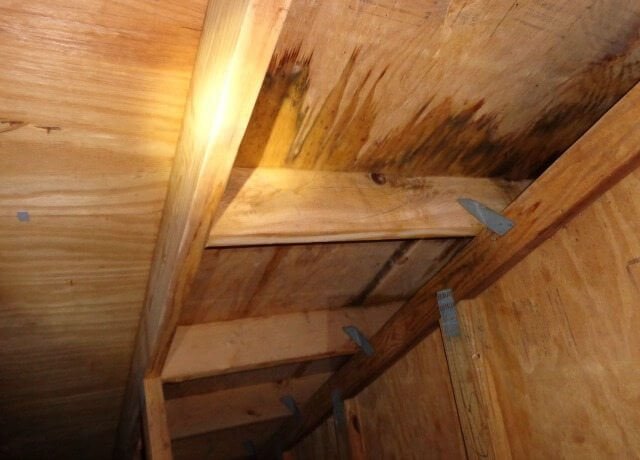
Is your home ready for the first Nor’easter? In Vermont, a roof isn’t just about curb appeal—it’s your home’s primary defense against heavy snow, freezing rain, and the dreaded ice dam. At Champlain Roofing, we’ve seen how one “small” leak in November can turn into a structural nightmare by February.
To help you stay ahead of the weather, here are five critical signs that your roof needs a professional inspection or replacement before the snow starts to pile up.
1. Granule Loss and “Balding” Shingles
Have you noticed what looks like coarse sand in your gutters or at the base of your downspouts? Those are granules. They protect your shingles from UV rays and provide the first layer of defense against moisture.
- Why it matters: Once the granules are gone, the asphalt core of the shingle is exposed, making it brittle and prone to cracking under the weight of Vermont snow.
2. Curling or Buckling Shingles
Take a look at your roof from the ground. Are the edges of the shingles turning upward, or do they look “wavy”?
- The SEO Tip: This is often caused by poor attic ventilation, a common issue in older Burlington and Chittenden County homes. Without proper airflow, heat trapped in the attic “cooks” the shingles from the inside out.
3. History of Frequent Ice Dams
If you spent last winter chipping away at ice ridges on your gutters, your roof is crying for help. Ice dams occur when heat escapes your attic, melts the snow on the roof, and the water refreezes at the cold eaves.
- The Fix: While heat tape is a temporary band-aid, the real solution involves a combination of proper insulation and high-quality ice and water shields—both of which are standard in every Champlain Roofing installation.
4. Cracked or Damaged Flashing
Flashing is the metal material that seals the “joints” of your roof, such as around chimneys, skylights, and vents.
- The Danger: In Vermont’s freeze-thaw cycles, metal expands and contracts. If the sealant around your flashing is cracked, water will seep in, freeze, and expand the gap further.
5. Age of the Roof (The 20-Year Rule)
Most asphalt shingle roofs in the Northeast are designed to last 20 to 25 years. If your roof was installed in the early 2000s, it’s likely reaching the end of its life.
- Pro Tip: Don’t wait for a leak to appear. Replacing an old roof proactively is significantly cheaper than repairing structural wood rot or mold damage later.
Why Choose Champlain Roofing for Your Replacement?
We specialize in Vermont-tough roofing. We don’t just “shingle” a house; we build a complete roofing system designed to handle the unique climate of the Champlain Valley.
- Local Expertise: We know the local building codes from Burlington to Middlebury.
- Quality Materials: We use heavy-duty architectural shingles and premium underlayment.
- Clean Jobsites: Your landscaping is safe with us.
Ready for a Winter-Proof Roof?
Don’t wait for the first snow. Contact Champlain Roofing today for a free, no-obligation roof inspection.
[Call Us Today at 802-417-9113] or [sales@champlainroofing.com].