
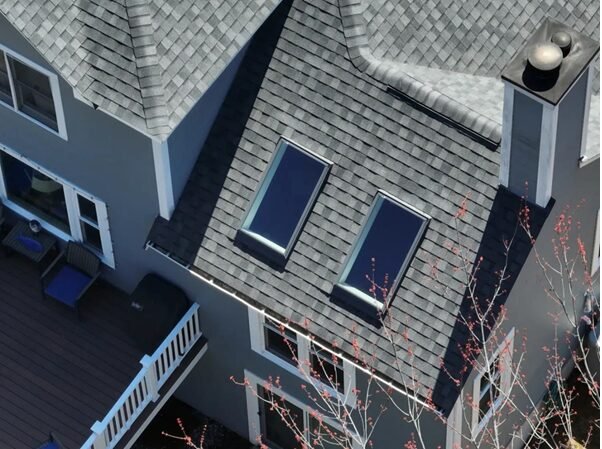
The Homeowner’s Guide to Asphalt Shingle Roofing in Vermont: Durability Meets Design
If you are a homeowner in Northern Vermont, your roof is more than just a structural necessity—it is your first line of defense against one of the most punishing climates in the country. When it comes time for a replacement, asphalt shingles remain the most popular choice for Vermonters, but not all shingles are created equal.
At Champlain Roofing, we specialize in installing high-performance asphalt systems that are specifically engineered to survive our "Green Mountain" winters. Here is what you need to know about choosing the right shingle for your Vermont home.
Why Architectural Shingles are the Vermont Standard?
While "3-tab" shingles were the industry standard decades ago, they are rarely the right choice for Northern Vermont. Today, most of our clients opt for Architectural (or Dimensional) Shingles.
Unlike flat 3-tab shingles, architectural shingles are composed of multiple layers of asphalt laminated together. This makes them:
1. Proper Attic Insulation
- Heavier: They offer much better resistance against the high winds coming off Lake Champlain or down from the peaks.
- More Durable: Most architectural shingles carry a Class 4 impact rating and 130 mph wind warranties.
- Aesthetically Superior: They mimic the look of natural wood shakes or slate, which complements the classic Vermont farmhouse or Adirondack-style home.
The "Cold Roof" Advantage: Ventilation is Key
In Vermont, the asphalt shingle is only as good as the ventilation underneath it. Without proper airflow, the heat from your home will cook the underside of your shingles in the winter, leading to the dreaded Ice Damming.
When Champlain Roofing installs an asphalt system, we don't just "nail and go." We assess your ridge vents and soffits to ensure a "cold roof" environment. This keeps the snow on your roof from melting and refreezing at the eaves, significantly extending the life of your asphalt shingles.
Protecting Against "The Big Freeze"
Standard asphalt can become brittle when temperatures drop to -20°F. If shingles aren't installed with specialized low-temperature fasteners and a high-quality synthetic underlayment, they can crack or shift.
We use advanced underlayments that act as a secondary waterproof barrier. Even if a winter storm manages to lift a shingle, this barrier ensures that your plywood decking stays dry, preventing rot and costly structural repairs.
Curb Appeal and Resale Value
In the Vermont real estate market, a new roof is one of the highest-return investments you can make. Asphalt shingles come in a wide variety of "earth-tone" palettes—from Slate Gray to Barkwood—that blend perfectly with the natural landscape. Because they are more affordable than metal or slate, they allow you to achieve a premium look while keeping your project within a reasonable budget.
Why Champlain Roofing for Your Asphalt Installation?
Many out-of-state contractors don't understand the "Vermont nailing pattern." Because of our high winds and heavy snow loads, we use a reinforced fastening technique that ensures every shingle stays exactly where it belongs.
When you request a bid from us, we provide a detailed breakdown of the specific shingle weight, the underlayment brand, and the ventilation strategy we’ll use for your specific home.